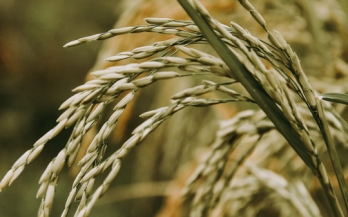
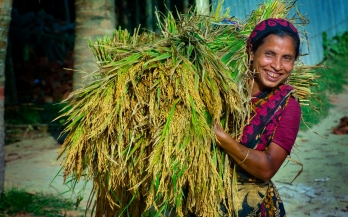
With the devastating social and economic impacts of COVID-19, it is more important than ever to protect the nutrition, health, and livelihoods of the world’s most vulnerable. We know that many of the two billion people who suffer from micronutrient deficiencies, or "hidden hunger", consume rice as their primary staple food.
In this webinar, we shall focus on the opportunities for the adoption of biofortified crops by SMEs and experience sharing of some of the businesses associated with biofortification. This webinar will generate awareness and interest amongst the food processors, retail markets including digital marketplaces and associated businesses in the biofortified foods supply chain.
International Youth Day (IYD) gives an opportunity to celebrate and mainstream young peoples’ voices, actions and initiatives, as well as their meaningful, universal and equitable engagement.
A challenged world is an alert world and from challenge comes change. So let's all choose to challenge.
How will you help forge a gender equal world? Celebrate women's achievement. Raise awareness against bias. Take action for equality.
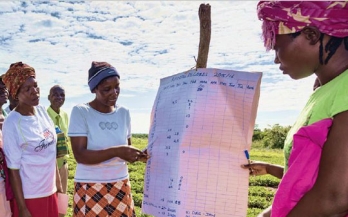
For the UNFSS Pre-Summit, we wish to invite you to an affiliated event jointly organised by the Norwegian government and Andrew Mushita, UNFSS Food Champion and Executive Director of the Community Technology Development Trust, Zimbabwe.
Food system transformation requires urgent actions to solve complex problems in inclusive and equitable ways across many sectors. The IFSS portal initiative is an ongoing open collaboration between groups working at the intersection of nutrition, sustainable agriculture, development economics, policy studies and environmental health.
On Wednesday 28 July, 09:00-10:30 CEST the informal Urban Food Systems Working Group is organising the United Nations Food Systems pre-summit session "Cities and Local Food Systems". GAIN’s Urban programme and FAO are co-leads of the organising working group, which involves several city networks, UN agencies and other civil society organisations and academia.
Food safety lies at the heart of addressing hunger and malnutrition, because if food it’s safe, it isn’t food. Progress towards SDG 2 by 2030 may not be realised if we do not ensure food safety. Stakeholders globally are engaging to discuss the development of a Coalition of Action for Food Safety.
This UN Foods Systems Pre-Summit Affiliate Parallel Session hosted by the Government of Bangladesh Ministry of Labour and Employment and the Global Alliance for Improved Nutrition (GAIN) brings together leaders from government, civil society, the private sector and non-governmental organisations to explore the important role that workforce nutrition programmes are playing in addressing global malnutrition.