Johanna Farrell - 04/11/2021
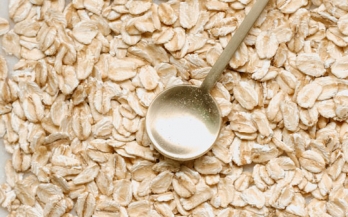
Malnutrition among infants and young children is widespread in Mozambique, with high rates of stunting among children under 5 years of age. Micronutrient-fortified porridge can help increase the nutrient content of diets and thus contribute to the fight against malnutrition.
Global Alliance for Improved Nutrition (GAIN), United States Agency for International Development (USAID) - 13/09/2021
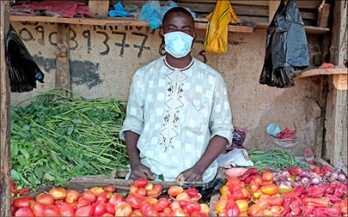
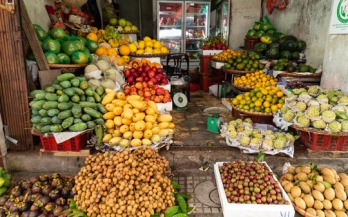
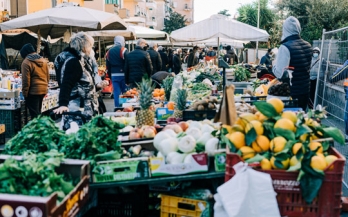
From October 2020 to December 2021, EatSafe conducted bi-weekly consumer and vendor surveys in traditional markets to assess the functioning of markets and market actors under COVID-19. The resulting Bulletins and Traditional Market Reports present detailed reports on trends in consumer resilience, vendors' business impacts, and food price changes.
Global Alliance for Improved Nutrition (GAIN) - 26/10/2021
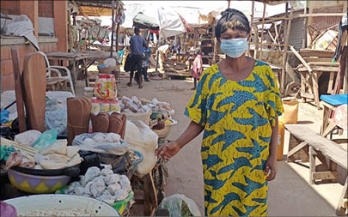
EatSafe conducted a focused ethnographic study to examine perceptions, knowledge, and experience related to food safety among consumers and traditional food market vendors in Birnin Kebbi, Nigeria.
Global Alliance for Improved Nutrition (GAIN) - 14/10/2021
Understanding urban specific contexts and food system challenges during the pandemic is the first step towards the co-design of policy options. Between December 2020 and April 2021, GAIN conducted a mixed method Rapid Needs Assessment of the urban food system in Machakos and Kiambu (Kenya), Beira and Pemba (Mozambique), and Rawalpindi and Peshawar (Pakistan).
Global Alliance for Improved Nutrition (GAIN) - 20/09/2021
Designed to inspire EatSafe team members’ creativity and imagination prior to and during the EatSafe Intervention Sprint, this tool described the features, benefits, and enabling infrastructure of over 100 consumer-first food system innovations using Human Centered Design.
Global Alliance for Improved Nutrition (GAIN) - 20/09/2021
EatSafe reviewed existing normative guidelines that could be used by governments and other enabling organizations to promote safer food in traditional markets.
Global Alliance for Improved Nutrition (GAIN) - 29/09/2021
Understanding urban specific contexts and food system challenges during the pandemic is the first step towards the co-design of policy options. Between December 2020 and April 2021, GAIN conducted a mixed method Rapid Needs Assessment of Machakos and Kiambu (Kenya), Beira and Pemba (Mozambique),) and Rawalpindi and Peshawar (Pakistan).
Global Alliance for Improved Nutrition (GAIN), Intake, Centre for Public Health Research - 09/08/2021
As the importance of national level information on dietary intakes in low- and middle-income countries is increasingly recognized; reliable methods, tools and guides to support the compilation of quality food and nutrient intake data are needed. In general, guidance on how to adequately prepare for a dietary survey prior to embarking on data collection is scarce.
Global Alliance for Improved Nutrition (GAIN), United States Agency for International Development (USAID) - 09/08/2021
Understanding the rapidly changing situation for vendors in traditional markets and the consumers that rely on these markets can provide vital information for determining what is needed to ensure the availability of affordable, safe, nutritious food during the COVID-19 pandemic.
Global Alliance for Improved Nutrition (GAIN), New Foresight - 09/08/2021
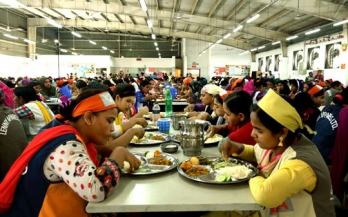
This study aimed to do something that had not been done before: apply business case thinking to worker nutrition programmes in supply chains, using a structured and systematic approach. The study extended the definition of "business case" beyond financial returns on investment to cover a broad range of possible motivations for companies and sectors to invest in nutrition in their supply chains.