Fabian Rohner, Andres B. Tschannen, Christine A. Northrop-Clewes, Valérie Kouassi-Gohou, Patrice E. Bosso, Christopher Guy Nicholas Mascie-Taylor - 01/09/2015
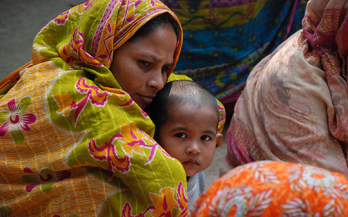
The objective of this study was to determine whether a possession score or a poverty index best predicts undernutrition and anaemia in women of reproductive age (15–49 years; WRA) and children aged 6–59 months living in Côte d'Ivoire.
Sian White, Wolf Schmidt, Daniel Sahanggamu, Dewi Fatmaningrum, Marti J. van Liere, Val Curtis - 01/03/2016
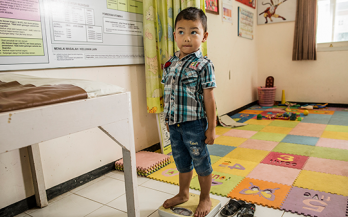
The purpose of this study was to examine the effect of a novel behaviour change intervention, Gerakan Rumpi Sehat (the Healthy Gossip Movement), on infant and young child feeding practices in peri‐urban Indonesia.
Peiman Milani, Rebecca Spohrer, Greg S. Garrett, Katharine Kreis - 01/09/2016
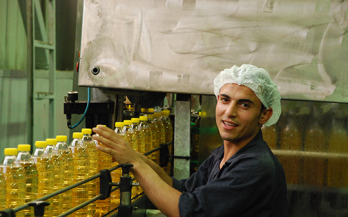
Two billion people worldwide have micronutrient deficiencies. Food fortification is a proven intervention to increase essential micronutrient availability in diets without requiring consumer behavioral change. This study examines a pilot project in Brazil testing a model to scale up rice fortification through commercial channels.
Magali Leyvraz, Arnaud Laillou, Sabuktagin Rahman, Tahmeed Ahmed, Ahmed S. Rahman, Nurul Alam, Santhia Ireen, Dora Panagides - 01/12/2015
The study’s objective was to assess dietary intakes of key micronutrients and the consumption pattern of potentially fortifiable foods, and then to model the potential impact of fortification of key staple foods.
John L. Fiedler, Keith Lividini, Gladys Kabaghe, Rodah Zulu, John Tehinse, Odilia I. Bermudez, Vincent Jallier, Christophe Guyondet - 01/12/2013
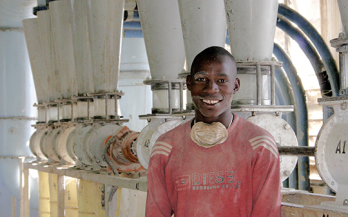
Since fortification of sugar with vitamin A was mandated in 1998, Zambia's fortification program has not changed, while the country remains plagued by high rates of micronutrient deficiencies. The objective of this study was to provide evidence-based fortification options with the hope of reinvigorating the Zambian fortification program.
Grant J. Aaron, Nicholas Strutt, Nathaniel Amoh Boateng, Ernest Guevarra, Katja Siling, Alison Norris, Shibani Ghosh, Mercy Nyamikeh, Antoine Attiogbe, Richard Burns, Esi Foriwa, Yasuhiko Toride, Satoshi Kitamura, Kwaku Tano-Debrah, Daniel Sarpong, Mark Myatt - 18/10/2016
The work reported here assesses the coverage achieved by two sales-based approaches to distributing a complementary food supplement (KOKO Plus™) to infants and young children in Ghana.
Valerie M. Friesen, Grant J. Aaron, Mark Myatt, Lynnette M. Neufeld - 01/05/2017
This supplement presents results from Fortification Assessment Coverage Toolkit (FACT) surveys that assessed the coverage of population-based and targeted food fortification programs across 14 countries. It then discusses the policy and program implications of the findings for the potential for impact and program improvement.
Regina Moench-Pfanner, Martin W. Bloem - 01/06/2013
The objective of the symposium to the Asian Congress of Nutrition in Singapore was to discuss important nutrition issues in the Association of Southeast Asian Nations (ASEAN) countries, to elaborate on pressing nutrition issues in the region, and to debate strategies, in particular to tackle the prevalence of malnutrition, with a focus on micronutrient deficiencies and stunting.
Ty Beal, Alison Tumilowicz, Aang Sutrisna, Doddy Izwardy, Lynnette M. Neufeld - 14/10/2018
The purpose of this study on child stunting determinants in Indonesia was to outline who are the most vulnerable to stunting, which interventions have been most successful, and what new research is needed to fill knowledge gaps. Published studies are lacking on how education; society and culture; agriculture and food systems; and water, sanitation, and the environment contribute to child stunting.
Zhenyu Yang - 15/06/2010
The objectives of the paper are to review the existing epidemiologic data about peanut allergy, to determine whether the prevalence of peanut allergy is lower in developing countries, and to explore the possible reasons for onset of peanut allergy.