Global Alliance for Improved Nutrition (GAIN) - 18/03/2021
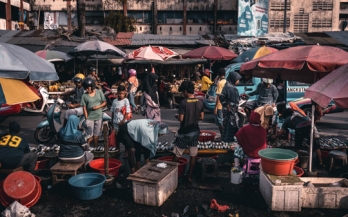
This Situation Report—the fifth in a series—finds that COVID-19-related control measures continue to have an impact on food systems in 10 countries where GAIN works: Bangladesh, Ethiopia, India, Indonesia, Kenya, Mozambique, Nigeria, Pakistan, Rwanda and Tanzania.
Global Alliance for Improved Nutrition (GAIN) - 02/12/2020
The COVID-19 pandemic is a multiplier of vulnerability, compounding threats to food security and nutrition (FSN), while exposing weaknesses in food systems. In response, the Global Alliance for Improved Nutrition (GAIN) developed the Keeping Food Markets Working (KFMW) programme to provide targeted support to help sustain core food systems, workers, and markets during the COVID-19 emergency.
Global Alliance for Improved Nutrition (GAIN) - 24/11/2020
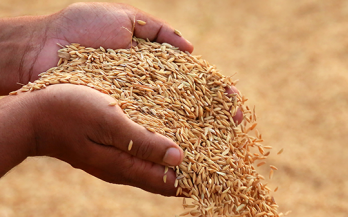
The Commercialisation of Biofortified Crops (CBC) Programme was launched in 2019 to address widespread hidden hunger in Africa and Asia by significantly expanding the reach of foods and food products made with biofortified staple crops.
Julian Xie, Kelly Brownell - 30/06/2020
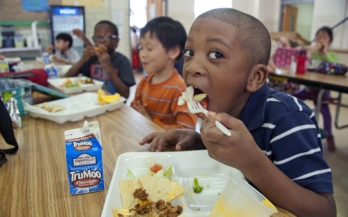
Public food procurement refers to how governments purchase and provide food to defined populations. Institutional food procurement refers to food purchasing and provision by organisations like schools, hospitals, care homes, youth clubs, prisons, and workplaces. Local governments often manage public food procurement at these institutions, serving food to students, patients, employees, and their families.
Leda E Nemer, Ishank Gorla, Kathrin M. Demmler, Sharelle Polack - 27/05/2020
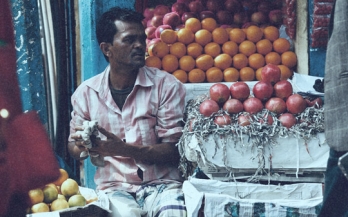
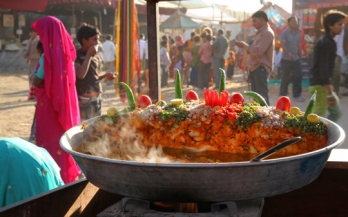
Street foods - ready-to-eat foods or beverages that are sold by vendors in the street or other public places - play an important role in contributing to daily nutrition and ensuring food security worldwide. India has a rich tradition of street food vending, much of it taking place in urban areas and accessed by people from all socio-economic backgrounds.
Global Alliance for Improved Nutrition (GAIN) - 10/05/2020
These document series summarise some rapid assessments undertaken by the Global Alliance for Improved Nutrition (GAIN) to understand early impacts of the COVID-19 coronavirus pandemic on food systems in a set of low- and middle-income countries where GAIN works (Bangladesh, India, Pakistan, Indonesia, Mozambique, Ethiopia, Kenya, Tanzania, Rwanda, and Nigeria).
Global Alliance for Improved Nutrition (GAIN) - 09/05/2020
These document series summarise some rapid assessments undertaken by the Global Alliance for Improved Nutrition (GAIN) to understand early impacts of the COVID-19 coronavirus pandemic on food systems in a set of low- and middle-income countries where GAIN works (Bangladesh, India, Pakistan, Indonesia, Mozambique, Ethiopia, Kenya, Tanzania, Rwanda, and Nigeria).
Global Alliance for Improved Nutrition (GAIN) - 08/05/2020
These document series summarise some rapid assessments undertaken by the Global Alliance for Improved Nutrition (GAIN) to understand early impacts of the COVID-19 coronavirus pandemic on food systems in a set of low- and middle-income countries where GAIN works (Bangladesh, India, Pakistan, Indonesia, Mozambique, Ethiopia, Kenya, Tanzania, Rwanda, and Nigeria).
Global Alliance for Improved Nutrition (GAIN) - 19/03/2020
Through funding from BESTSELLER, GAIN worked in the states of Karnataka and Bihar in India, to improve the nutrition and lives of groups of semi-literate women and children. GAIN equipped women’s Self-Help Groups (SHGs) to produce nutritious food rations.
Global Alliance for Improved Nutrition (GAIN), Global Business School Network, Tuck School of Business at Darmouth - 01/01/2014
AP Foods’ approach to supplementary food production is a strong example of how GAIN’s nutrition partners learn from and use business-centered practices to achieve improved quality and efficiency within public sector or non-profit organisational contexts.