Global Alliance for Improved Nutrition (GAIN) - 01/03/2018
In an effort to explore the potential of new food vehicles for large-scale food fortification in West Africa, GAIN took advantage of two FACT surveys conducted in West Africa that measured quality, coverage and/or consumption of mandatorily fortified foods, for exploring the potential of other industry manufactured foods for fortification.
Global Alliance for Improved Nutrition (GAIN), The Rockefeller Foundation , Federal University of Agriculture, Abeokuta - 01/11/2017
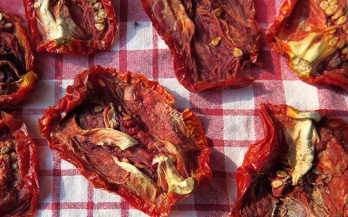
This research brief provides the key findings from a study commissioned by GAIN'S Postharvest Loss Alliance for Nutrition to conduct a landscape analysis to better understand the dried tomato production and market in Nigeria. Structured questionnaires were used to elicit information on socio-economic characteristics of selectors processors, traders, and consumers.
Global Alliance for Improved Nutrition (GAIN), The Rockefeller Foundation - 01/03/2018
This research brief summarizes findings from the national cold chain capacity mapping of Nigeria, conducted between December 2017 and February 2018. Despite having the largest economy in Africa, Nigeria has among the world’s highest burdens of malnutrition. Improving supply chain infrastructure and food storage practices has the potential to significantly reduce postharvest losses and waste across the country.
Grant J. Aaron, Patricia Kariger, Roselyn Aliyu, Marianne Flach, Dan Iya, Musa Obadiah, Shawn K. Baker - 15/06/2011
Schoolchildren in Nigeria are rarely targeted by micronutrient interventions. This study determined the effects of a multi-micronutrient beverage on biochemical and anthropometric indicators of nutritional status among schoolchildren participating in a pilot school feeding program in Nasarawa State, Nigeria.
Jacqueline K. Kung'u, Olumuyiwa Owolabi, Grace Essien, Francis T. Aminu, Ismael Ngnie-Teta, Lynnette M. Neufeld - 01/03/2015
This study examined whether the Maternal, Newborn and Child Health Weeks (MNCHW) in Nigeria would present an opportunity to raise awareness of and demand for the use of zinc and ORS in the treatment for diarrhoea.
Grant J. Aaron, Valerie M. Friesen, Svenja Jungjohann, Greg S. Garrett, Lynnette M. Neufeld, Mark Myatt - 12/04/2017
Large-scale food fortification (LSFF) of commonly consumed food vehicles is widely implemented in low- and middle-income countries. Many programs have monitoring information gaps and most countries fail to assess program coverage. The aim of this work was to present LSFF coverage survey findings from programs conducted in 8 countries between 2013 and 2015.
Rockfeller Foundation, Global Alliance for Improved Nutrition (GAIN), Federal University of Agriculture, Abeokuta - 01/12/2017
Postharvest losses of fresh tomatoes in Nigeria represent a significant waste of the resources used to grow this crop as well as a missed opportunity to supply nutrients to Nigerian consumers. This study sheds light on the nutritional benefits of dried tomatoes and shows how the nutrient content is affected by the various drying and storage methods used in Nigeria.
Global Alliance for Improved Nutrition (GAIN) - 01/07/2017
In this Learning Brief, the Postharvest Loss Alliance for Nutrition (PLAN) explores some of the equity funding options available to small- and medium-sized agribusinesses in Nigeria. This brief is meant to serve as a primer to help business owners gain a better understanding of how to make their business ideas more attractive to investors.
Global Alliance for Improved Nutrition (GAIN) - 01/10/2017
In this Learning Brief, the Postharvest Loss Alliance for Nutrition (PLAN) explores various business models for proximate processing that are being applied in other countries. This brief is meant to serve as a primer for Nigerian business owners interested in learning more about proximate processing and its potential applications for their business.
Global Alliance for Improved Nutrition (GAIN) - 01/02/2015
This paper examines lessons learned on how to drive consumer awareness, and to ensure uptake and compliant use of product solutions in the context of the Maternal, Infant and Young Child Nutrition programmes.