Global Alliance for Improved Nutrition (GAIN) - 10/05/2020
These document series summarise some rapid assessments undertaken by the Global Alliance for Improved Nutrition (GAIN) to understand early impacts of the COVID-19 coronavirus pandemic on food systems in a set of low- and middle-income countries where GAIN works (Bangladesh, India, Pakistan, Indonesia, Mozambique, Ethiopia, Kenya, Tanzania, Rwanda, and Nigeria).
Global Alliance for Improved Nutrition (GAIN) - 09/05/2020
These document series summarise some rapid assessments undertaken by the Global Alliance for Improved Nutrition (GAIN) to understand early impacts of the COVID-19 coronavirus pandemic on food systems in a set of low- and middle-income countries where GAIN works (Bangladesh, India, Pakistan, Indonesia, Mozambique, Ethiopia, Kenya, Tanzania, Rwanda, and Nigeria).
Global Alliance for Improved Nutrition (GAIN) - 08/05/2020
These document series summarise some rapid assessments undertaken by the Global Alliance for Improved Nutrition (GAIN) to understand early impacts of the COVID-19 coronavirus pandemic on food systems in a set of low- and middle-income countries where GAIN works (Bangladesh, India, Pakistan, Indonesia, Mozambique, Ethiopia, Kenya, Tanzania, Rwanda, and Nigeria).
Global Alliance for Improved Nutrition (GAIN), Scaling Up Nutrition (SUN) Business Network - 07/04/2020
The SUN Business Network (SBN) / Global Alliance for Improved Nutrition (GAIN) are conducting a pilot project with the International Food and Beverage Alliance (IFBA) to support the replacement of industrially-produced trans-fatty acids (iTFA) by local companies in Nigeria and Pakistan.
Global Alliance for Improved Nutrition (GAIN), Oxford Policy Management - 19/03/2018
In 2017, a cross-sectional survey, comprised of a household and market in two states (Ebonyi and Sokoto) was conducted using the Fortification Assessment Coverage Toolkit (FACT). The aim of the survey was to provide information on household coverage and consumption of fortifiable and fortified foods among children and women of reproductive age, and availability and quality of fortified foods from markets.
Global Alliance for Improved Nutrition (GAIN) - 09/10/2019
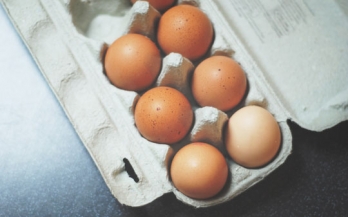
GAIN works on supply and demand, as well as on changing incentives, rules and regulations to encourage production and consumption of nutritious and safe foods. We seek to understand and tackle barriers faced by small enterprises working to boost availability, affordability, desirability, and convenience of nutritious foods like eggs, especially for people on low-incomes.
Global Alliance for Improved Nutrition (GAIN) - 09/10/2019
This factsheet highlights the vastly different levels of egg supply seen across African regions, selected African countries, and selected high-income countries. It discusses why eggs remain scarce and expensive in many low-income settings, including across much of Western, Eastern, and Middle Africa.
Eline L. Korenromp, Opeyemi Adeosun, Femi Adegoke, Adekunle Akerele, Catherine Anger, Chimere Ohajinwa, Christine Hotz, Larry Umunna, Francis T. Aminu - 14/07/2015
The objective of this study was to determine the feasibility of distributing micronutrient powders (MNP) for home fortification during biannual Maternal, Neonatal and Child Health Week (MNCHW) events, as a strategy to improve young child nutrition.
Global Alliance for Improved Nutrition (GAIN), Oxford Policy Management, BoP Innovation Center, Unilever - 01/12/2016
This report presents the results of an evaluation of the Shakti+ pilot. The main objective of the evaluation was to assess the likelihood that Shakti+ activities contributed to the two primary outcomes that the programme implementers aimed to achieve, specifically, the use of Knorr1 iron-fortified bouillon cubes in cooking and the addition of green leafy vegetables to soups and stews.
Food Fortification Initiative (FFI), United States Centers for Disease Control and Prevention (CDC), Global Alliance for Improved Nutrition (GAIN), Oxford Policy Management - 01/02/2018
The purpose of the survey was to assess the household coverage and potential contribution of fortified foods to the micronutrient intake among women of reproductive age in two states: Kano and Lagos.