Emily LaRose, Nadia Osman, Katia dos Santos Dias, Alia Poonawala, Wendy Gonzalez, Zineb Felix, Abby Falla - 19/04/2021
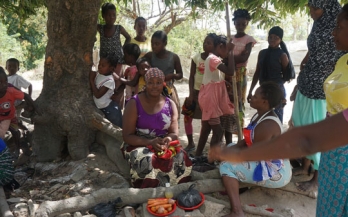
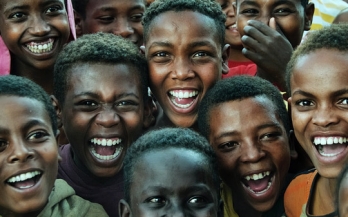
Adolescence is a time of rapid physical, cognitive, social, and emotional development that sets the foundation for health and provides an opportunity to improve life chances. Mozambique has a large and growing population of young people, but their health and social indicators are poor, especially for girls.
Global Alliance for Improved Nutrition (GAIN), Scaling Up Nutrition (SUN) Business Network, United Nations World Food Programme (WFP) - 07/04/2021
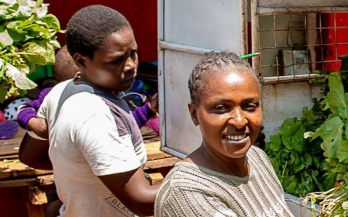
GAIN and partners, including the Scaling Up Nutrition (SUN) Business Network (co-convened by the World Food Programme (WFP)), undertook a survey of food system SMEs in Kenya in October/November 2020, aiming to assess the impacts of the COVID-19 pandemic and associated control measures on their businesses and their support needs.
Global Alliance for Improved Nutrition (GAIN), Scaling Up Nutrition (SUN) Business Network, United Nations World Food Programme (WFP) - 07/04/2021
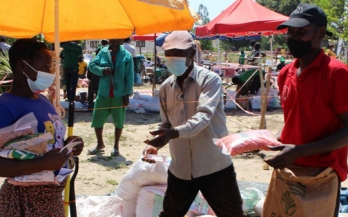
GAIN and partners, including the Scaling Up Nutrition (SUN) Business Network (co-convened by the World Food Programme (WFP)), undertook a survey of food system SMEs in Nigeria in October/November 2020, aiming to assess the impacts of the COVID-19 pandemic and associated control measures on their businesses and their support needs.
Global Alliance for Improved Nutrition (GAIN) - 18/03/2021
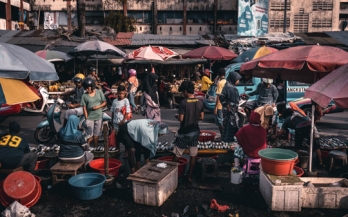
This Situation Report—the fifth in a series—finds that COVID-19-related control measures continue to have an impact on food systems in 10 countries where GAIN works: Bangladesh, Ethiopia, India, Indonesia, Kenya, Mozambique, Nigeria, Pakistan, Rwanda and Tanzania.
Global Alliance for Improved Nutrition (GAIN) - 02/12/2020
The COVID-19 pandemic is a multiplier of vulnerability, compounding threats to food security and nutrition (FSN), while exposing weaknesses in food systems. In response, the Global Alliance for Improved Nutrition (GAIN) developed the Keeping Food Markets Working (KFMW) programme to provide targeted support to help sustain core food systems, workers, and markets during the COVID-19 emergency.
Global Alliance for Improved Nutrition (GAIN) - 09/10/2020
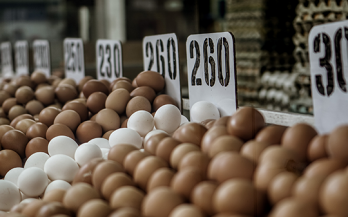
Although eggs are highly nutritious, they remain scarce and relatively expensive in many low-income settings, including across many of the countries where GAIN operates. Moreover, they are only rarely consumed by children in many regions. Globally, the average egg supply is around 3.5 eggs per person per week.
Global Alliance for Improved Nutrition (GAIN) - 20/07/2020
In low-income countries, poor dietary diversity is driven in large part by the low availability and affordability of nutritious foods like fresh fruits and vegetables, dairy products and other animal sourced foods. In a recent assessment, GAIN determined that small-and medium-sized enterprises (SMEs), or small and mighty enterprises as GAIN likes to call them, produce, process or sell up to 70% of nutritious food sold in low-income markets in Africa.
Global Alliance for Improved Nutrition (GAIN) - 09/07/2020
These manuals have been prepared for use by persons and organisations wishing to manufacture and supply complementary foods in different countries. The manuals have been specifically prepared for use in the countries of Ethiopia, Kenya, Mozambique and Rwanda and contain generic information that will be applicable irrespective of the country concerned but also contain specific information relating to the four aforementioned countries.
Global Alliance for Improved Nutrition (GAIN) - 10/05/2020
These document series summarise some rapid assessments undertaken by the Global Alliance for Improved Nutrition (GAIN) to understand early impacts of the COVID-19 coronavirus pandemic on food systems in a set of low- and middle-income countries where GAIN works (Bangladesh, India, Pakistan, Indonesia, Mozambique, Ethiopia, Kenya, Tanzania, Rwanda, and Nigeria).
Global Alliance for Improved Nutrition (GAIN) - 09/05/2020
These document series summarise some rapid assessments undertaken by the Global Alliance for Improved Nutrition (GAIN) to understand early impacts of the COVID-19 coronavirus pandemic on food systems in a set of low- and middle-income countries where GAIN works (Bangladesh, India, Pakistan, Indonesia, Mozambique, Ethiopia, Kenya, Tanzania, Rwanda, and Nigeria).