Josephine Lofthouse, Stella Nordhagen, Teale Yalch - 29/09/2020
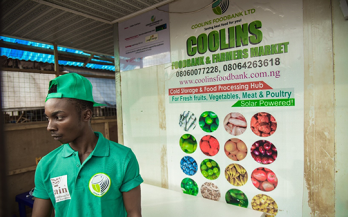
Based on an external assessment, this working paper summarises PLAN’s work in Nigeria (N-PLAN) and Indonesia (I-PLAN), impacts to date, and key learnings. The assessment indicated that PLAN has helped create influential networks, allowing diverse stakeholders to work together to address common issues related to post-harvest loss.
Global Alliance for Improved Nutrition (GAIN) - 14/09/2020
This global scoping review aims to understand which perception and practice interventions may be effective in changing consumer behaviour, knowledge, attitudes, beliefs and perceptions on food safety.
Global Alliance for Improved Nutrition (GAIN) - 14/09/2020
To understand how both food vendors and consumers conceptualize food safety, and how knowledge and beliefs are reflected in practices and social interactions, EatSafe conducted scoping reviews on consumer (Part 1) and vendor (Part 2) perceptions of food safety.
Global Alliance for Improved Nutrition (GAIN) - 11/09/2020
This report provides an overview of the pathways that link food safety and nutrition, and their shared impacts on health. It highlights research gaps and opportunities for intervention in support of Feed the Future and EatSafe programming.
Global Alliance for Improved Nutrition (GAIN), EatWell Global, Scaling Up Nutrition (SUN) Business Network - 28/08/2020
One in three people globally suffers from at least one type of malnutrition. Malnutrition brings significant losses in productivity and potential, and poses challenges to employers in all settings. 58% of the world’s population will spend one third of their time at work during their adult life, so employers have an opportunity to help tackle malnutrition.
Global Alliance for Improved Nutrition (GAIN), Scaling Up Nutrition (SUN) Business Network - 28/08/2020
In 2021, two major Summits will take place to fight malnutrition: the Nutrition for Growth Summit and the United Nations Food System Summit. These Summits are an opportunity to set ambitious targets regarding the private sector contribution to a better access to safe nutritious food. Ahead of these key events, the Global Alliance for Improved Nutrition (GAIN)/SUN Business Network (SBN) are working on understanding and strengthening current business accountability in nutrition by supporting better alignment of the reporting landscape.
Christophe Béné, Jessica Fanzo, Lawrence Haddad, Corinna Hawkes, Patrick Caron, Sonja Vermeulen, Mario Herrero, Peter Oosterveer - 13/08/2020
To operationalize the great food system transformation and ensure its sustainability, five areas of research and action require more attention: economic and structural costs; political economy; diversity of cultural norms; equity and social justice; and governance and decision support tools.
Global Alliance for Improved Nutrition (GAIN) - 05/08/2020
Experts estimate that in low- and middle-income countries, optimal breastfeeding has the potential to prevent more than 800,000 deaths in children under age 5 and 20,000 deaths in women every year. Despite this, breastfeeding remains underexploited globally. While the progress seen is positive, there is still a long way to go to achieve global nutrition targets.
Global Alliance for Improved Nutrition (GAIN) - 16/07/2020
In urban areas in Low- and Middle-Income Countries, rates of overweight, obesity and diet-related non-communicable diseases (NCDs) are increasing. At the same time, undernutrition persists, particularly among those on low incomes. Where people acquire their food and factors such as availability, affordability and convenience all influence what people eat in urban areas (i.e. urban food environments) and are essential to people’s diets, nutrition and health
Global Alliance for Improved Nutrition (GAIN) - 15/07/2020
Consumption of sugar-sweetened beverages (SSBs) is rising rapidly, especially in urban areas in low- and middle-income countries (LMICs). SSB consumption increases the risk for overweight and obesity, which are linked to a variety of non-communicable diseases (NCDs), including diabetes, cardiovascular diseases and certain types of cancer. One policy tool targeted at lessening the consumption of SSBs is a SSB tax, which increases the price of sugary drinks in a given area, which could be a single city, states or a country.